
Understanding the Four EV Charging Modes: A Complete Guide
From basic domestic sockets to ultra-fast DC stations—a comprehensive engineering overview of IEC 61851-1 standards, power delivery methods, charging speeds, and vehicle compatibility.
Mode 1–4 Classification
AC vs. DC Charging
Vehicle OBC Limits
Understanding the different methods of charging an electric vehicle (EV) is essential for a seamless e-mobility experience. EV charging modes define the method of power delivery, charging speed, safety protocols, and hardware communication between the power grid and the vehicle. Standardized internationally under IEC 61851-1, these four modes form the foundation of modern charging safety and compatibility worldwide.
1. The Four International EV Charging Modes (IEC 61851-1)
Mode 1: Basic AC Charging
Limited Safety / Obsolete
Plugs an EV directly into a standard household socket using a simple extension cord without any control pilot signals or active safety devices.
Status: Prohibited or strictly restricted in most countries due to shock and thermal fire hazards.
Mode 2: Portable IC-CPD Charging
Versatile & Safe
Incorporates an In-Cable Control and Protection Device (IC-CPD) that manages CP signaling, ground fault protection, and thermal monitoring.
Advantage: Combines portable convenience with wallbox-grade safety when using industrial plugs.
Mode 3: Dedicated AC Wallboxes
Primary Standard
Hardwired AC charging stations (wallboxes or commercial pedestals) with integrated control electronics, smart connectivity, and safety contactors.
Primary Use: Preferred method for daily home, workplace, and commercial AC destination charging.
Mode 4: DC Fast Charging
Rapid High Power
Supplies Direct Current (DC) directly to the traction battery, completely bypassing the vehicle’s Onboard Charger (OBC).
Primary Use: Highway corridors, rapid fleet top-ups, and long-distance travel stopovers (10–80% in ~15–30 mins).
| Charging Mode | Current Type | Typical Output | In-Cable Protection | Recommended Application |
|---|---|---|---|---|
| Mode 1 | AC | ~1.4 kW | None | Not Recommended / Prohibited |
| Mode 2 | AC | 3 kW – 22 kW | Integrated IC-CPD Box | Emergency, portable, and flexible charging |
| Mode 3 | AC | 7.2 kW – 22 kW | Built into EVSE Station | Home wallboxes & public AC charging |
| Mode 4 | DC | 50 kW – 350 kW+ | Industrial DC Safety Logic | Highway fast charging & commercial fleets |
2. Key Factors Affecting EV Charging Speeds
1. Charger Power Rating (kW)
Higher kilowatt delivery yields faster energy transfer. Mode 1 delivers ~1.4 kW, Mode 2 spans 3.6 kW–22 kW, Mode 3 spans 7.2 kW–22 kW, and Mode 4 DC fast chargers range from 50 kW to over 350 kW.
2. Battery Capacity (kWh)
Larger battery packs require proportionally more energy:
• City EVs: 20–40 kWh
• Suburban/Medium EVs: 50–70 kWh
• Long-Range EVs: 80–100+ kWh
Example: A 60 kWh battery takes ~5.4 hours on an 11 kW Mode 3 charger, but only ~1 hour on a 60 kW Mode 4 DC station.
3. State of Charge (SOC) Curve
Lithium-ion batteries accept maximum current between 10% and 80% SOC. Above 80%, vehicle BMS algorithms significantly ramp down charging current to prevent lithium plating and thermal degradation.
4. Ambient Temperature & Pre-conditioning
Extreme cold increases battery internal resistance, while extreme heat forces active cooling. Modern EVs utilize thermal pre-conditioning systems to adjust battery temperature prior to high-power DC fast charging.
5. Protocols & Standards
Communication protocols—such as ISO 15118 (Plug & Charge), OCPP 1.6/2.0.1, GB/T, CHAdeMO, and CCS (Combo 1 / Combo 2)—govern handshake authorization and real-time charging power limits.
3. Selecting the Right Charging Solution & Vehicle Compatibility
The maximum AC charging rate is strictly limited by the vehicle’s internal Onboard Charger (OBC). Even if connected to a 22 kW Mode 3 wallbox, a vehicle with a 7.4 kW single-phase OBC will only draw 7.4 kW.
| Vehicle Model | Max AC Charging (Mode 2/3) | Max DC Fast Charging (Mode 4) | Recommended Home Charging Setup |
|---|---|---|---|
| Tesla Model Y RWD | Up to 11 kW (3-Phase) | Up to 175 kW DC | 11 kW Mode 3 Wallbox / 11 kW Mode 2 Portable |
| BYD ATTO 3 | Up to 11 kW (3-Phase) | Up to 89 kW DC | 11 kW Mode 3 Wallbox |
| MG MG4 Electric | Up to 6.6 kW (1-Phase) / 11 kW | Up to 142 kW DC | 7.4 kW Mode 3 Wallbox / 16A Mode 2 |
| Citroën e-C3 | Up to 7.4 kW (1-Phase) | Up to 100 kW DC | 7.4 kW Mode 3 Wallbox |
| BYD Han | Up to 6.6 kW (1-Phase) | Up to 120 kW DC | 7.4 kW Mode 3 Wallbox / 16A Mode 2 |
| Lotus Emeya S | Up to 22 kW (3-Phase) | Up to 350 kW DC | 22 kW Mode 3 Wallbox / 22 kW Mode 2 CEE |
| Zeekr 7X | Up to 22 kW (3-Phase) | Up to 360 kW DC | 22 kW Mode 3 Wallbox / 22 kW Mode 2 CEE |
Decision Matrix: Which Charger Should You Choose?
- Overnight Home Charging (Single-Phase Grid): A 7.4 kW Mode 3 wallbox or a 16A Mode 2 portable charger provides sufficient power to replenish 300+ km of range overnight.
- Fast Home / Commercial Charging (Three-Phase Grid): An 11 kW or 22 kW Mode 3 wallbox (or a 22 kW Mode 2 portable charger with red industrial CEE plugs) takes full advantage of three-phase power infrastructure.
- On-the-Go Emergency Flexibility: A multi-plug Mode 2 IC-CPD portable charger allows seamless switching between household sockets and high-power industrial sockets during trips.
- Long-Distance Travel Stopovers: Mode 4 DC fast charging stations (50 kW–350 kW) deliver rapid power top-ups along highway routes.
YDCHARGE OEM & ODM Charging Hardware Solutions
At YDCHARGE, we design and manufacture fully certified Mode 2 portable EV chargers (up to 22 kW), Mode 3 smart wallboxes, and active cross-standard adapters for EV accessory brands, fleet solution providers, and global distributors:
Summary: Mastering EV Charging Modes
- Mode 1: Lacks safety communication; obsolete and restricted in most regions.
- Mode 2: Highly versatile portable charging with integrated IC-CPD safety (up to 22 kW via industrial plugs).
- Mode 3: The primary international standard for safe, high-speed AC home and commercial wallboxes (7.2 kW–22 kW).
- Mode 4: Ultra-fast DC charging (50 kW–350 kW+) designed for rapid travel top-ups.

Do AC EVSE with Double Insulation Require a Protective Earth Connection and an RCD?
EVSE Regulatory Standards & Safety Architecture Is PE & RCD Required for Double-Insulated AC EVSE? An engineering breakdown comparing [...]
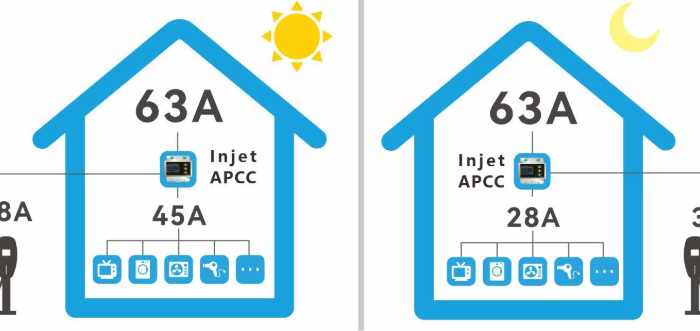
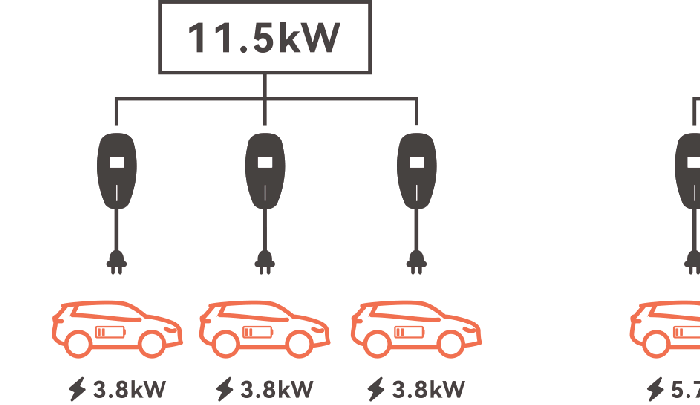
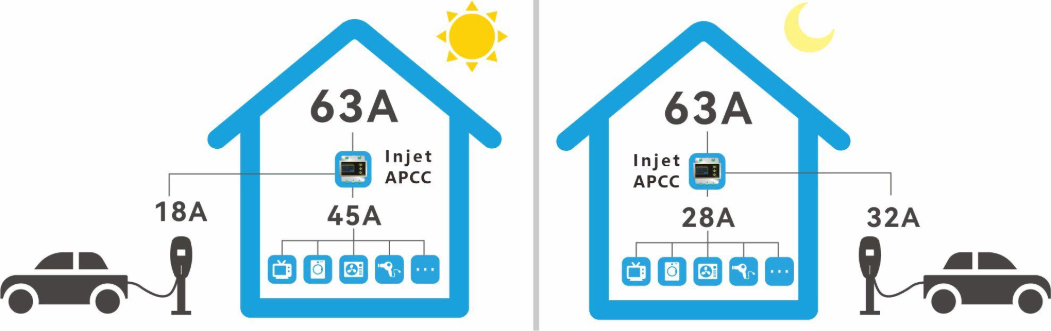
Dynamic Load Balancing (DLB): Why It’s Crucial for Your EV Charger
Smart Energy Management & Grid Efficiency Guide Dynamic Load Balancing (DLB) in EV Charging: The Complete Guide Ever experienced [...]

⚡ EV Charging Modes Explained: Which One Powers Your Drive?
EV Charging Infrastructure & Technical Guide Understanding the Four EV Charging Modes: A Complete Guide From basic domestic sockets [...]
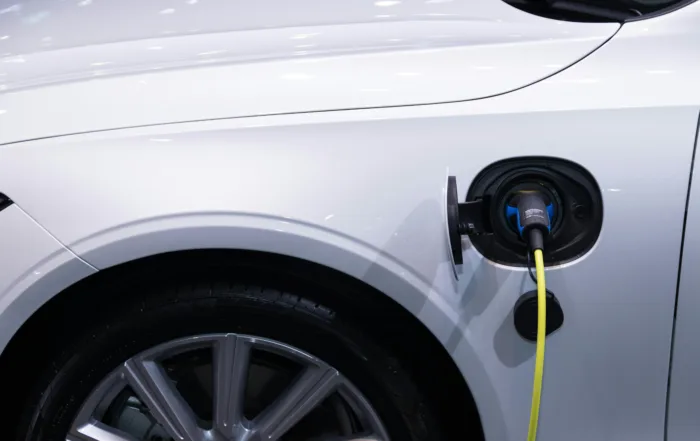
⚡ Why Is My 7.4kW AC Charger Only Delivering 6.4kW? Common Causes Explained
EV Charging Engineering & Efficiency Guide Why Your 7.4kW AC Charger Only Delivers 6.4kW (or Less) Answering one of [...]
Why Does My EV Charger Randomly Stop Charging? 5 Common Causes Explained
EV Charging Engineering & Troubleshooting Guide Understanding the Root Causes Behind Random Charging Interruptions Why AC EV charging randomly [...]
How Much Power Can a Mode 2 Portable EV Charger Deliver?
EV Charging Industry & Technical Guide Understanding the Limits and Possibilities of Mode 2 EV Charging How much power [...]